2010s — Shaping the City’s Cultural Fabric
A Continuing Legacy: Reflecting on the Past, Designing the Future
Fourth Installment
During the 2010s, Acheson Doyle Partners Architects’ work became increasingly visible across New York City’s cultural, institutional, and public landscape. The firm contributed to landmark destinations, hospitality spaces, universities, sacred campuses, and civic projects while continuing to balance preservation expertise with contemporary architectural interventions. Across each project, ADP demonstrated an ability to design spaces that connect New York’s history, institutions, and public life through thoughtful stewardship and carefully executed design.
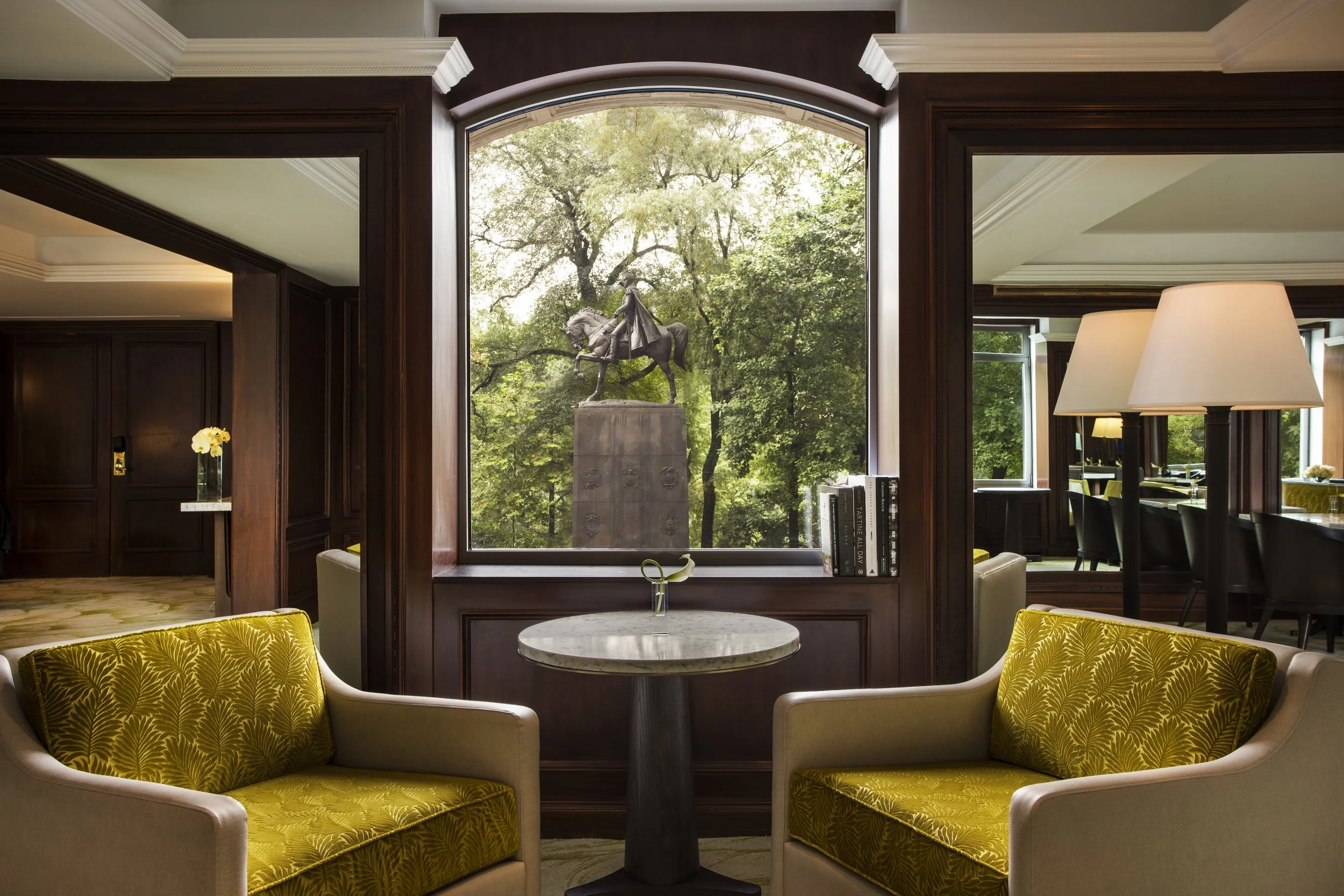
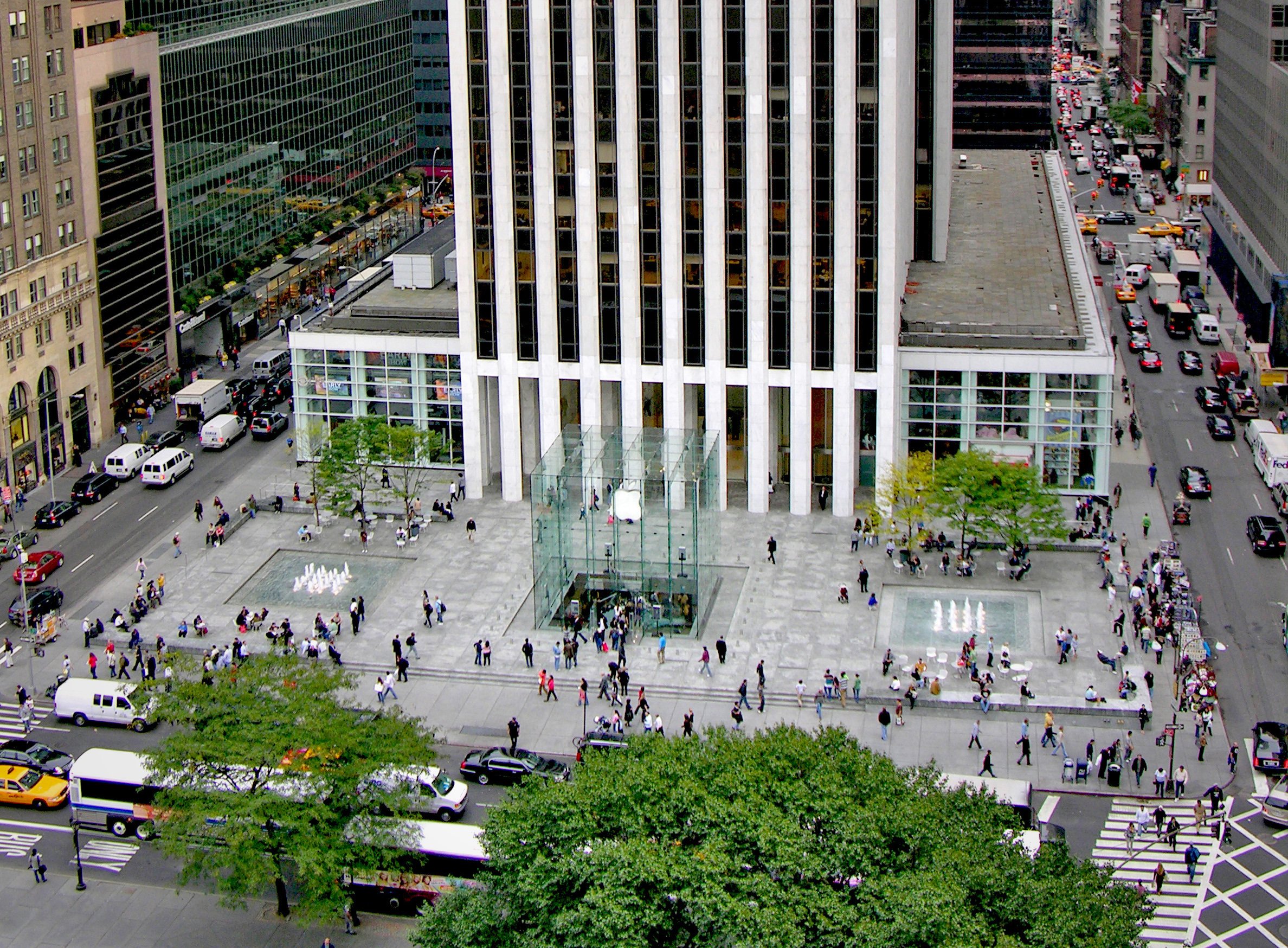
Hospitality work during the decade included a comprehensive renovation at the Ritz-Carlton Central Park, where ADP led the transformation of more than twenty floors of luxury guest rooms, fitness spaces, club lounges, and visitor amenities. Completed in collaboration with interior design firm Gilles & Boissier, the project successfully balanced the owner’s long-term vision, the hotel brand’s standards, and the technical demands of contemporary building and energy codes. The firm also contributed to work at the Apple Cube and GM Building, two globally recognized New York City destinations that further reflected ADP’s growing role within high-profile commercial and public-facing environments.
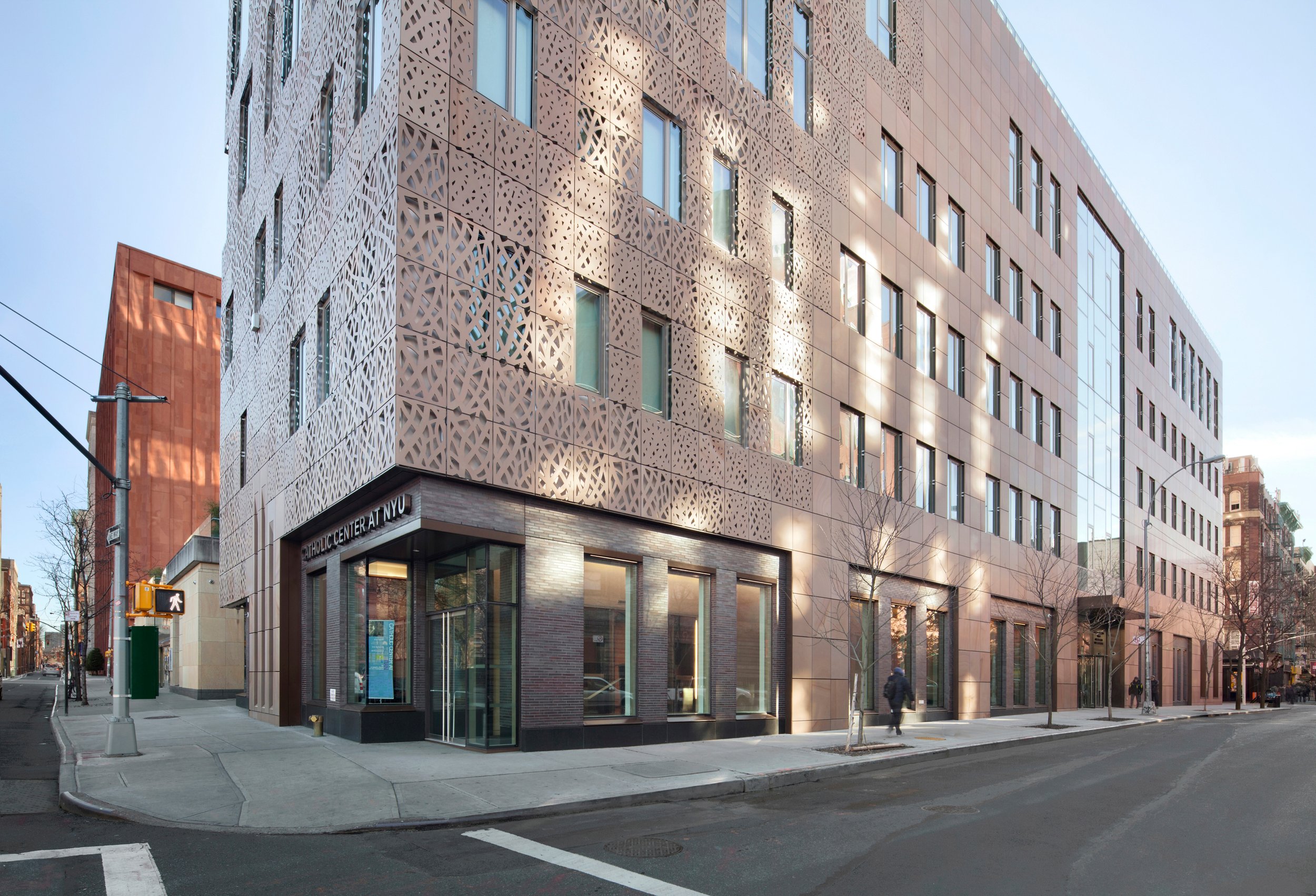
Institutional and campus planning projects also became increasingly significant during this period. At the NYU Catholic Center, ADP orchestrated the redevelopment of the former Catholic Center into an inclusive, multi-faith space serving the university community. Working closely with the Archdiocese of New York and the NYU Facilities Department, the firm also helped coordinate development rights transfers and presentations before the New York City Planning Commission and Board of Standards and Appeals, demonstrating ADP’s growing expertise navigating complex urban and institutional projects.
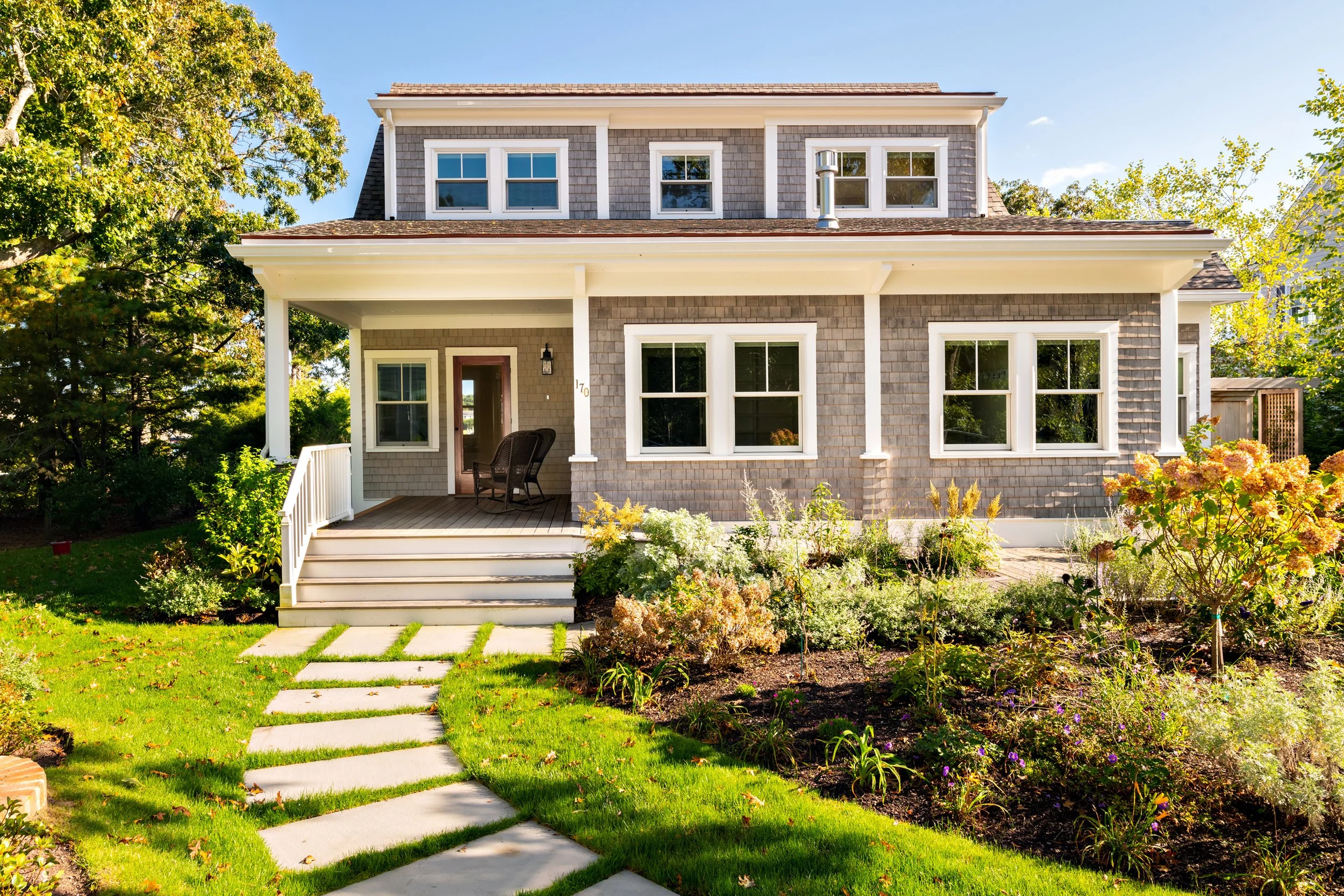
Residential work throughout the decade continued to reflect the firm’s commitment to craftsmanship, context, and materiality. Projects such as the Cape Cod Residence thoughtfully integrated contemporary living with regional architectural traditions and preservation requirements. Situated along the Bass River in South Yarmouth, Massachusetts, the residence paid homage to the Cape Cod cottage vernacular while incorporating modern detailing, energy efficiency, and accessibility. In addition to designing the new residence, ADP restored an existing cottage and barn original to the site, carefully balancing preservation, sustainability, and coastal resilience.
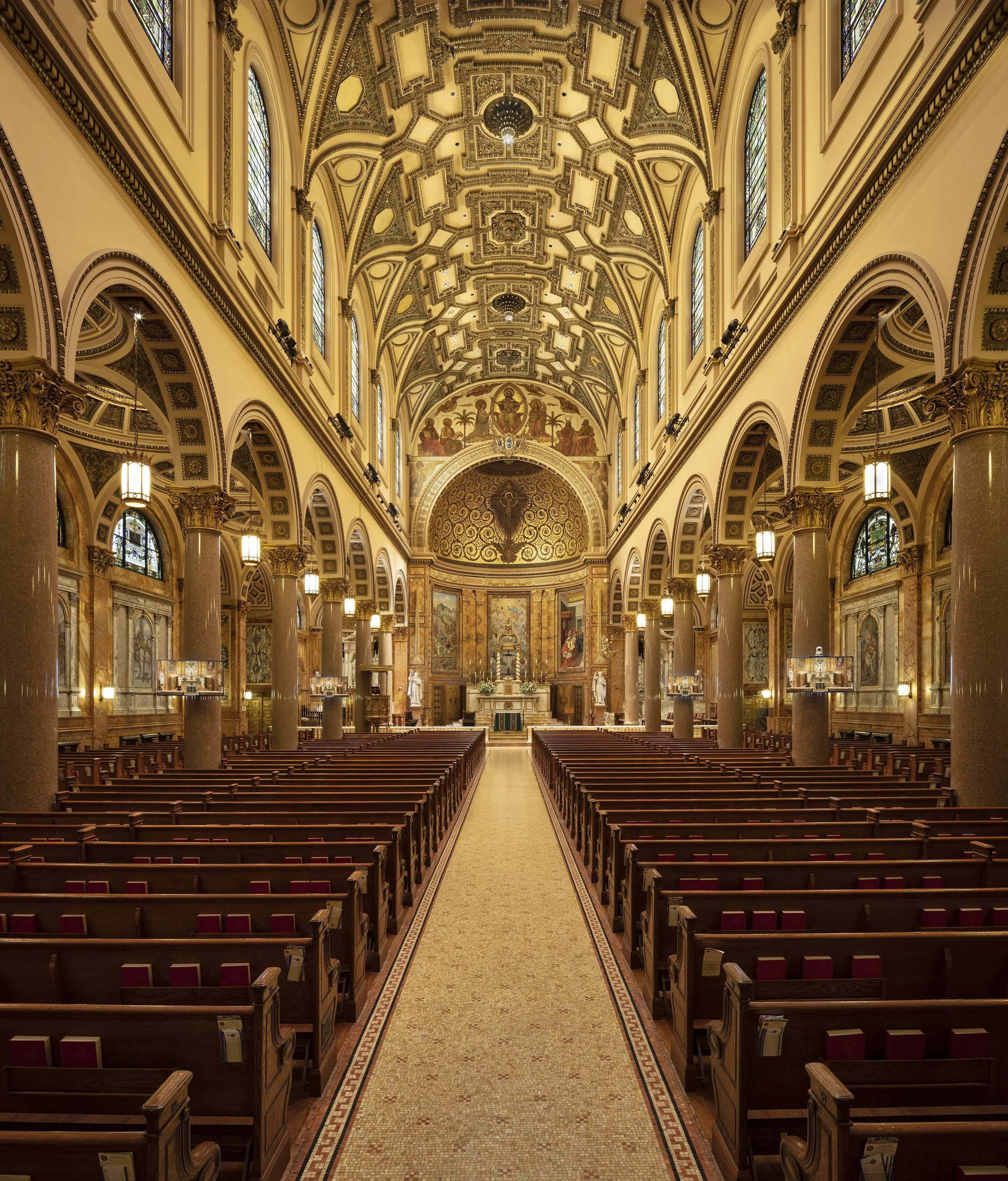
Sacred and historic preservation work remained central to the practice. At the Church of St. Ignatius Loyola on Park Avenue, ADP continued a longstanding relationship with one of New York City’s most significant religious campuses. Designated as both a New York City Landmark and a National Register of Historic Places site, the church engaged ADP for extensive restoration, accessibility, and campus improvement projects. The firm oversaw initiatives ranging from capital planning and exterior restoration work to interior renovations, accessibility upgrades, and improved campus connectivity, all while preserving the architectural integrity and historic character of the site.
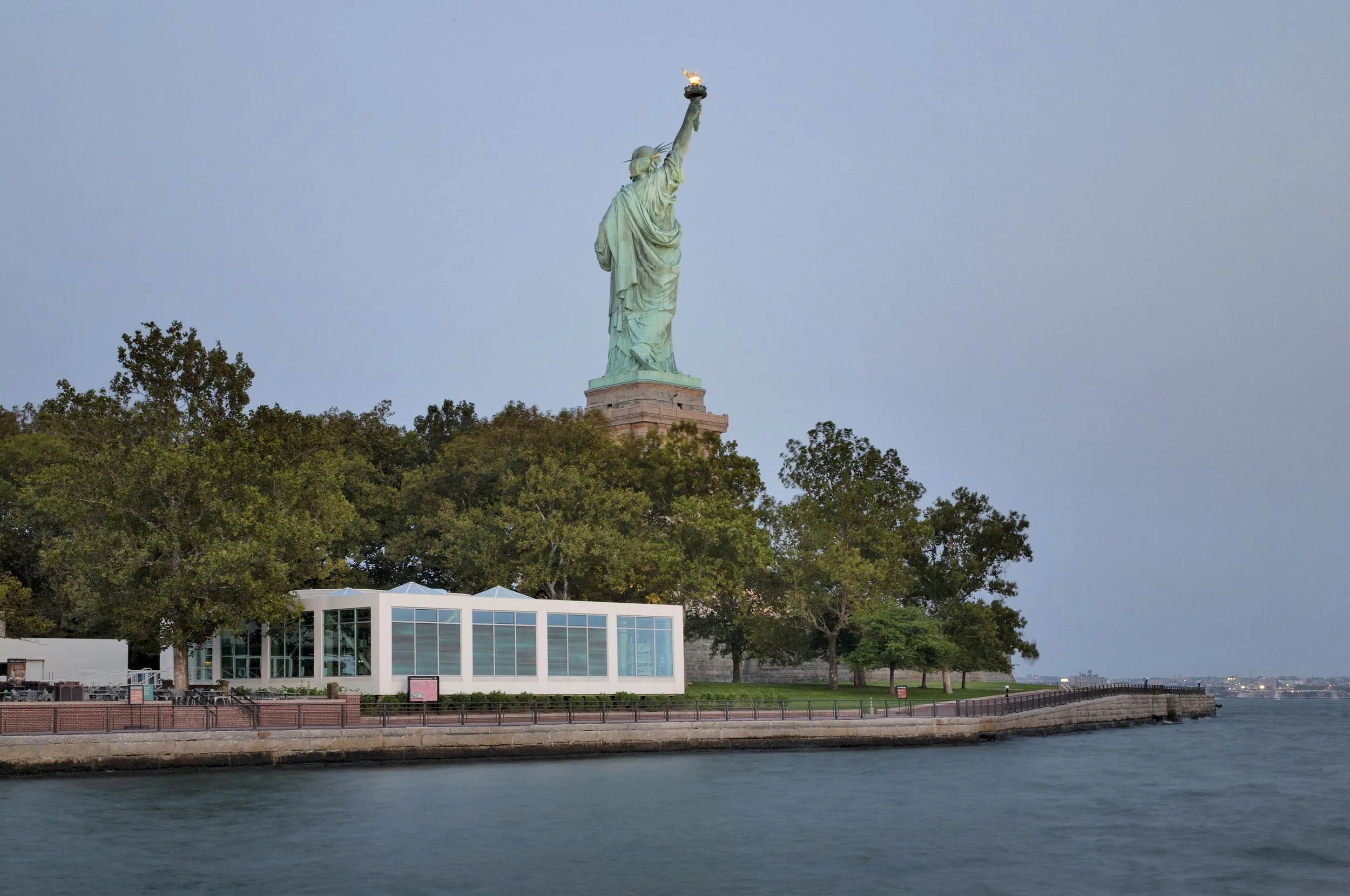
One of the decade’s most publicly visible projects was the Liberty Island Pavilion, the first new construction on Liberty Island since the island was placed on the National Register of Historic Places in 1966. Designed by ADP in close collaboration with the National Park Service and the New York State Historic Preservation Office, the award-winning LEED Platinum-certified Welcome Center welcomes millions of visitors each year. The project combined modular construction, sustainability, accessibility, and visitor experience within one of the country’s most historically significant public sites. Through geothermal systems, rainwater harvesting, high-performance materials, and sensitive site planning, the pavilion demonstrated ADP’s ability to integrate innovative contemporary design within an iconic historic setting.
As the decade progressed, ADP’s work increasingly shaped the spaces where New Yorkers and visitors gather, learn, worship, and experience the city. Whether restoring historic landmarks, designing institutional spaces, or contributing to internationally recognized destinations, the firm continued to build a body of work rooted in stewardship, collaboration, and enduring architectural care.