1990s — Tradition Meets Transformation
A Continuing Legacy: Reflecting on the Past, Designing the Future
Second Installment
As Acheson Doyle Partners Architects entered its second decade, the firm expanded both the breadth and complexity of its work while remaining grounded in the principles of craft, precision, and thoughtful stewardship established in its early years. Projects during this period reflected an increasing ability to work across styles, building typologies, and scales, while balancing contemporary needs with a deep respect for architectural history and existing character.
Historic preservation became an increasingly significant part of the firm’s identity. ADP developed expertise in adapting and restoring landmark buildings, demonstrating an ability to modernize spaces while carefully preserving the craftsmanship and architectural integrity that defined them. The firm’s work during this era reflected an understanding that historic buildings are living environments, requiring thoughtful interventions that honor the past while supporting continued use into the future.
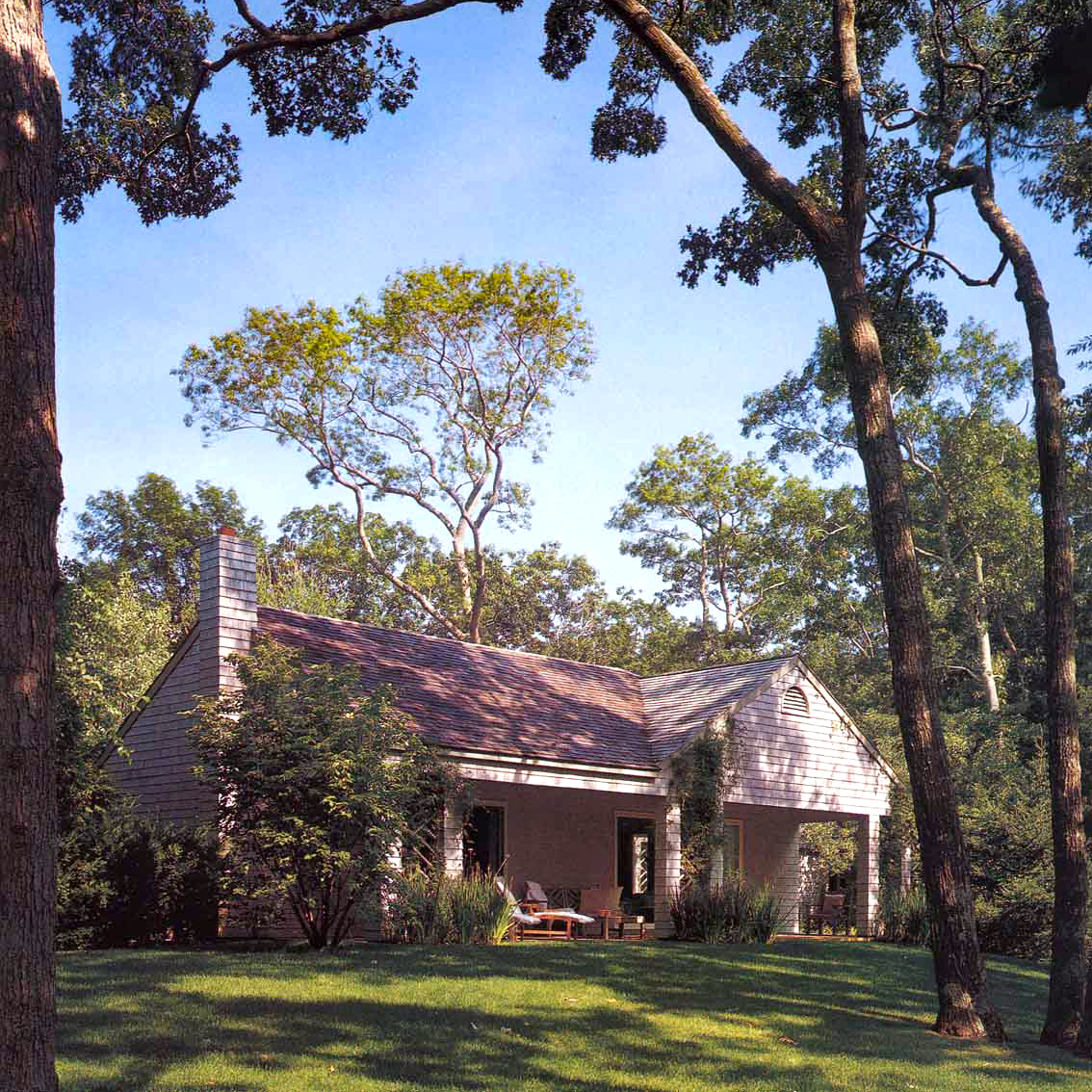
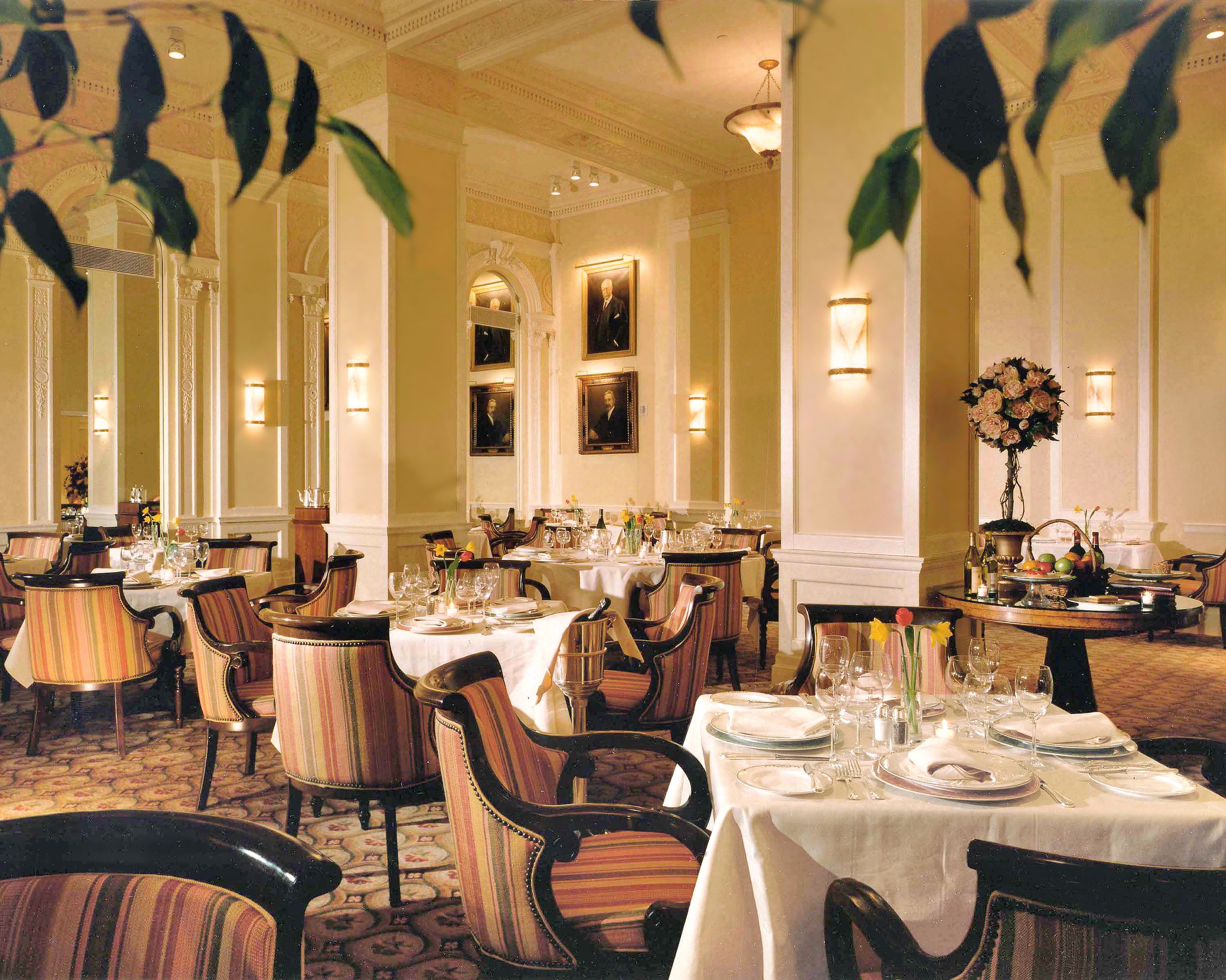
Residential projects such as the East Hampton Guesthouse showcased the firm’s ability to create refined and highly detailed spaces rooted in tradition yet responsive to contemporary living. At the same time, ADP expanded its hospitality portfolio through work on Club Quarters Hotels in Lower Manhattan, Midtown Manhattan, Boston, and Washington, D.C. Many of these projects involved the adaptive reuse and renovation of historic buildings, transforming existing structures into modern hospitality destinations while preserving their architectural character and urban presence.
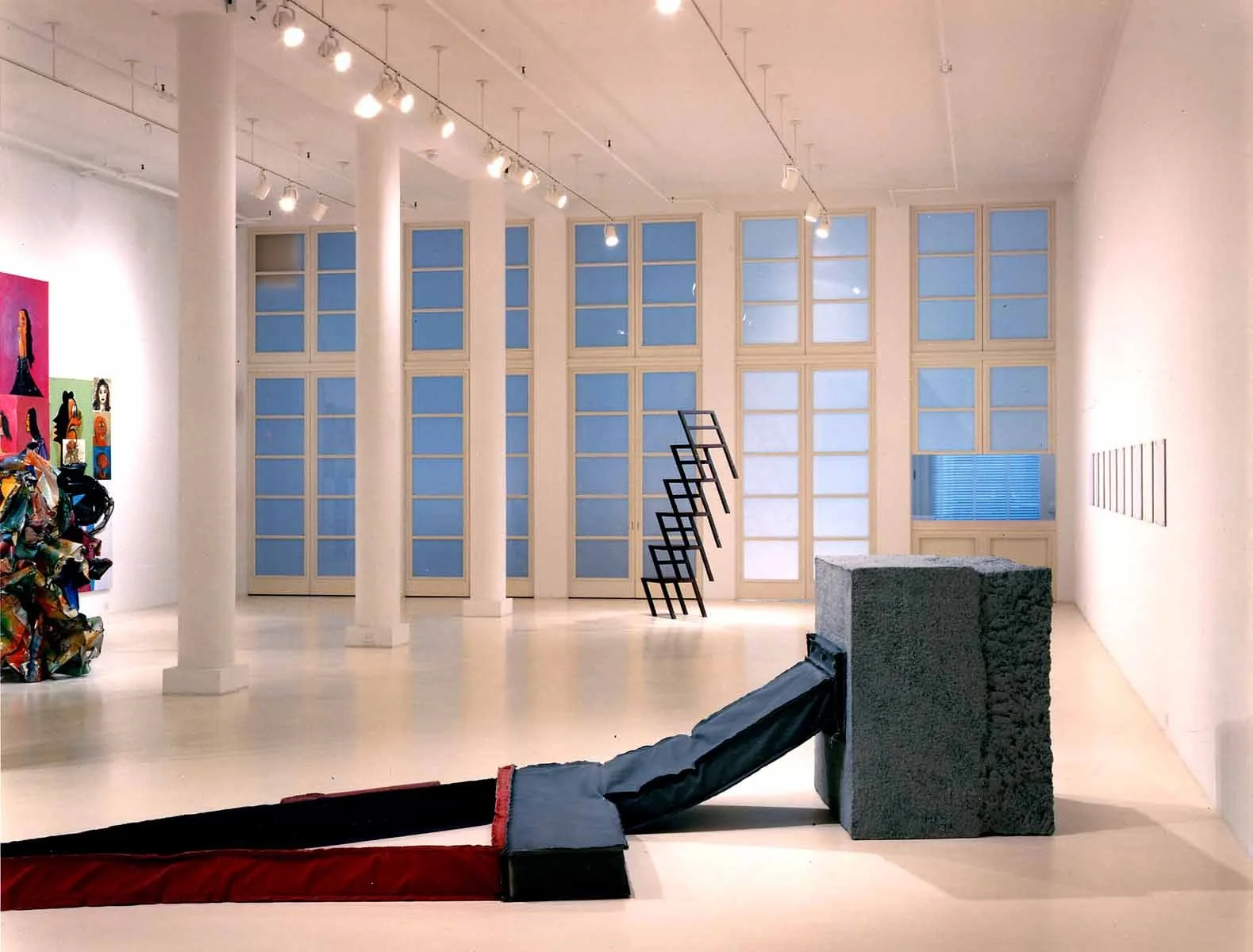
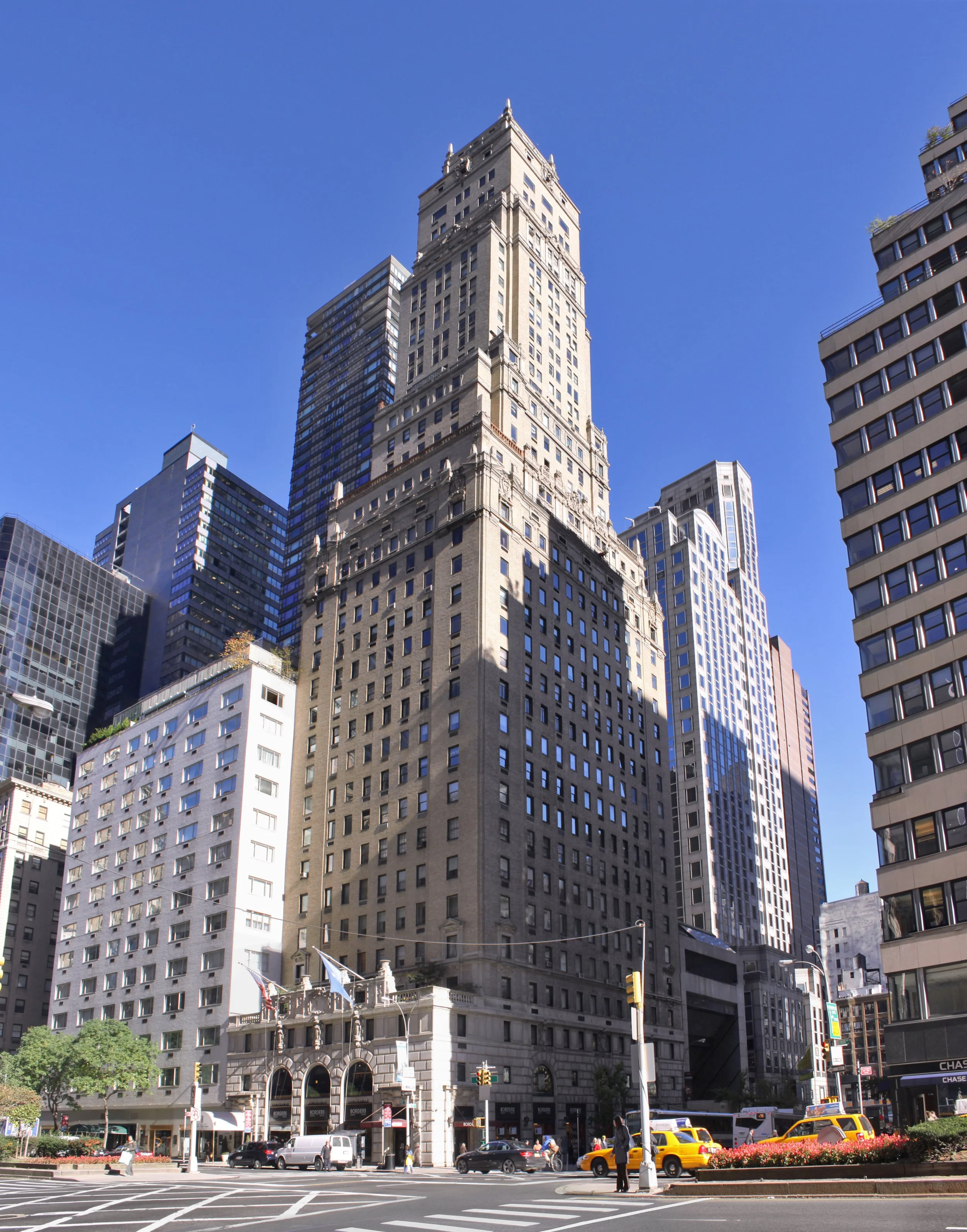
The firm also continued its longstanding relationship with Pace Galleries through work on the Greene Street location in SoHo, creating gallery spaces defined by restraint, proportion, and careful detailing that complemented the experience of viewing art. Additional residential and restoration work at the Ritz Tower further demonstrated ADP’s growing expertise in historic properties and luxury interiors.
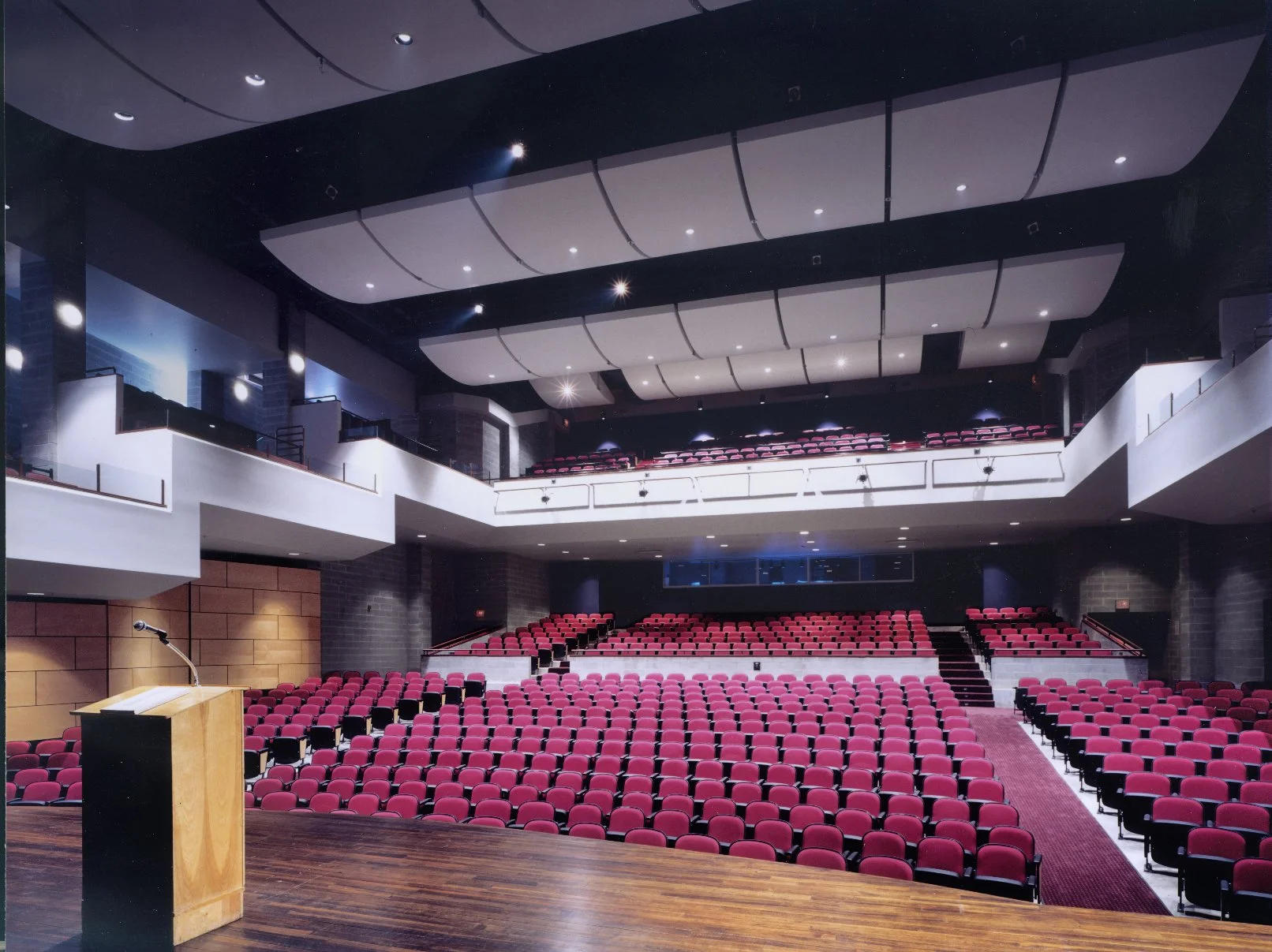
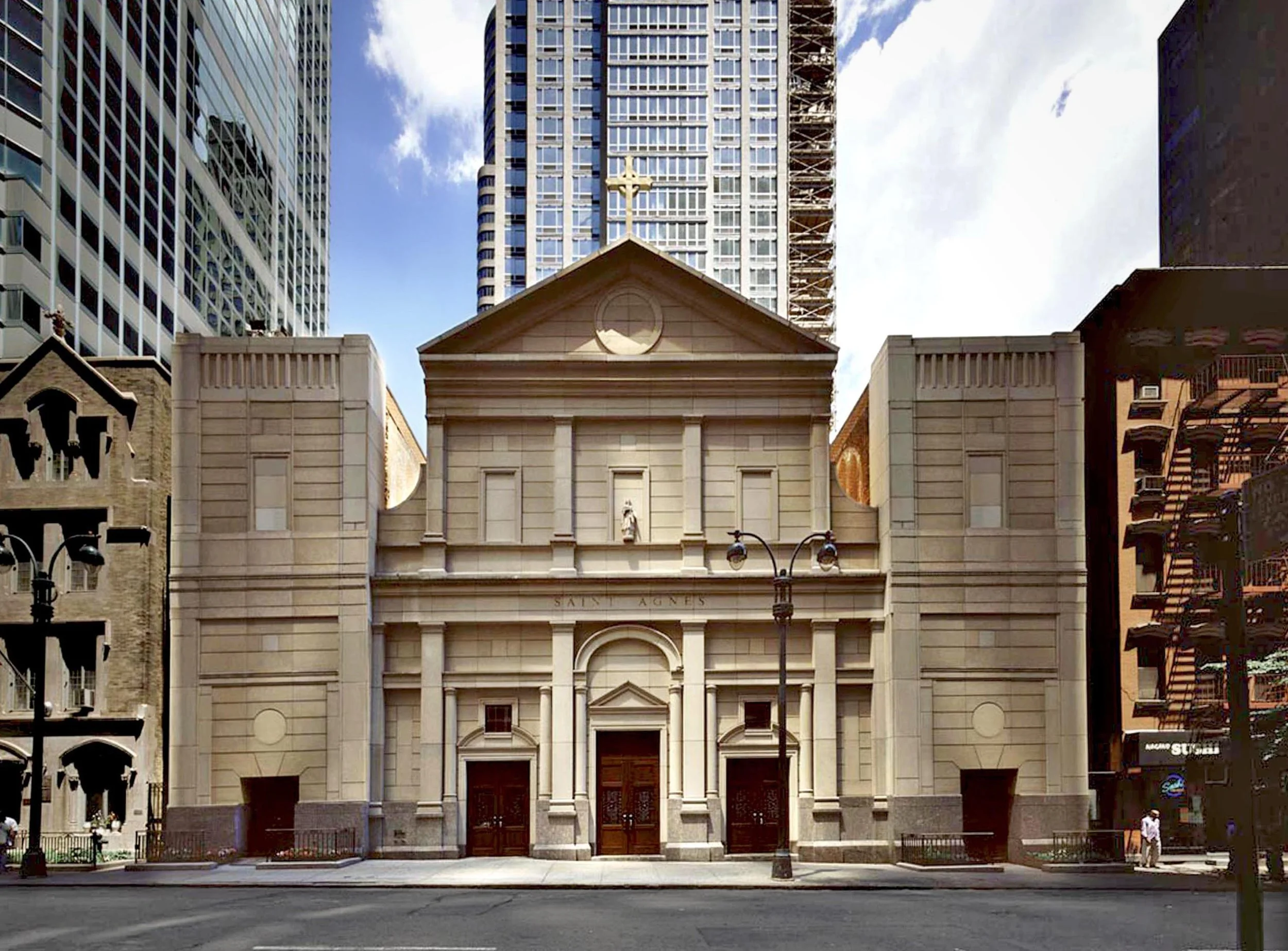
Institutional and cultural work also became an important part of the practice during this decade. The Fordham Preparatory School Theater project reflected the firm’s ability to shape educational and performance spaces that balanced functionality with architectural character. At St. Agnes Church, ADP was engaged following a devastating fire that severely damaged the historic church. The project required both technical precision and sensitivity to the building’s historic fabric, reinforcing the firm’s growing reputation for restoration and preservation work. Additionally, the firm was brought onto its first of many projects with the Church of Saint Ignatius Loyola on Park Avenue. The scope of the project included restoration of the organ loft and the installation of a new Mander Organ, crafted by the distinguished British pipe organ builder.
Institutional and cultural projects also became an important part of the practice during this decade. At Fordham Preparatory School, the firm designed a new theater that balanced functionality with architectural character. Following a devastating fire at St. Agnes Church, ADP was entrusted with restoring the damaged landmark, a project that required both technical expertise and sensitivity to its historic fabric. The decade also marked the beginning of a long-standing relationship with the Church of Saint Ignatius Loyola on Park Avenue. The firm's first project there included the restoration of the organ loft and the installation of a new Mander Organ, built by the renowned British pipe organ maker, laying the foundation for many future collaborations.
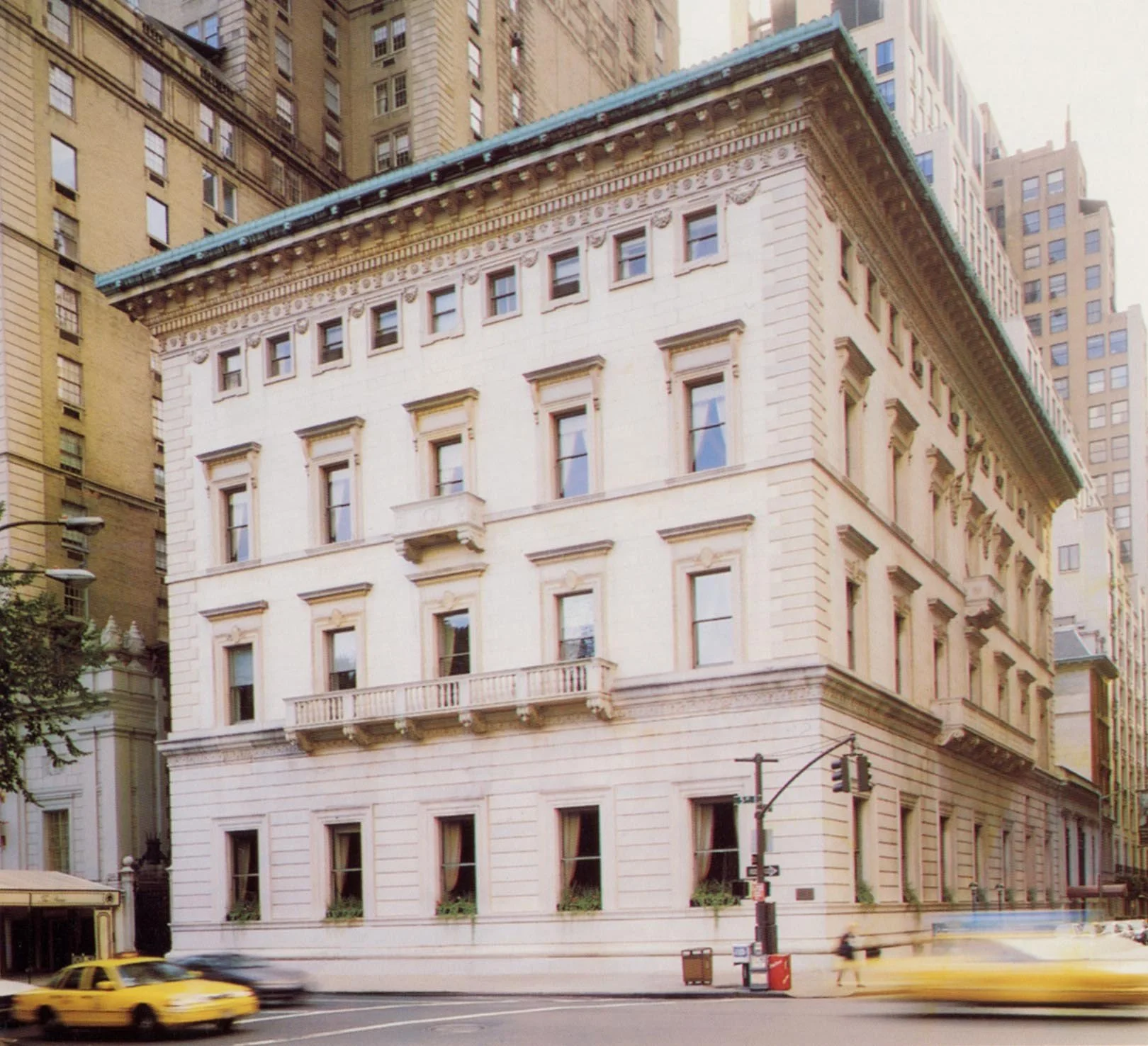
This period also marked the start of another enduring partnership with the Metropolitan Club. Over the years, ADP has worked closely with the institution on a range of restoration, renovation, and improvement projects, helping preserve one of New York City's most distinguished historic clubs while supporting its continued evolution.
As the firm's portfolio grew, so did the relationships that would shape its future. Many of the clients and institutions first engaged during this era became long-term collaborators, a testament to the trust and stewardship that defined the firm's approach. Together, these projects represented a decade in which tradition and transformation went hand in hand, establishing ADP as a practice equally committed to preservation, adaptation, and design excellence.