1980s — Rooted in Craft and Precision
A Continuing Legacy: Reflecting on the Past, Designing the Future
First Installment
As Acheson Doyle Partners Architects marks its 40th anniversary, we reflect on our past, celebrate our present, and look ahead to the future through A Continuing Legacy: Reflecting on the Past, Designing the Future, a series of highlights spanning four decades of thoughtful design, planning, and preservation. Over the next few months, we will be sharing e-blasts highlighting the key projects that have shaped the firm’s identity over the past 40 years.
To begin this anniversary series, we look back at some of ADP’s earliest work and the foundation upon which the firm was built. Established in 1986 by David C. Acheson, AIA, and Michael F. Doyle, FAIA, Acheson Doyle Partners Architects grew from a shared commitment to thoughtful design, technical excellence, and the enduring value of architecture. Having first met while studying at the Harvard Graduate School of Design in the 1970s, the two founders developed a mutual appreciation for craftsmanship, architectural history, and the careful stewardship of the built environment. Following graduation, Dave built his experience at Ulrich Franzen & Associates Architects, while Mick worked at Ehrenkrantz Eckstut & Kuhn Architects. Drawing upon the lessons and expertise gained at these respected firms, they came together to establish a practice grounded in precision and collaboration. Those principles quickly became evident in the firm’s earliest commissions and continue to guide ADP’s work four decades later.
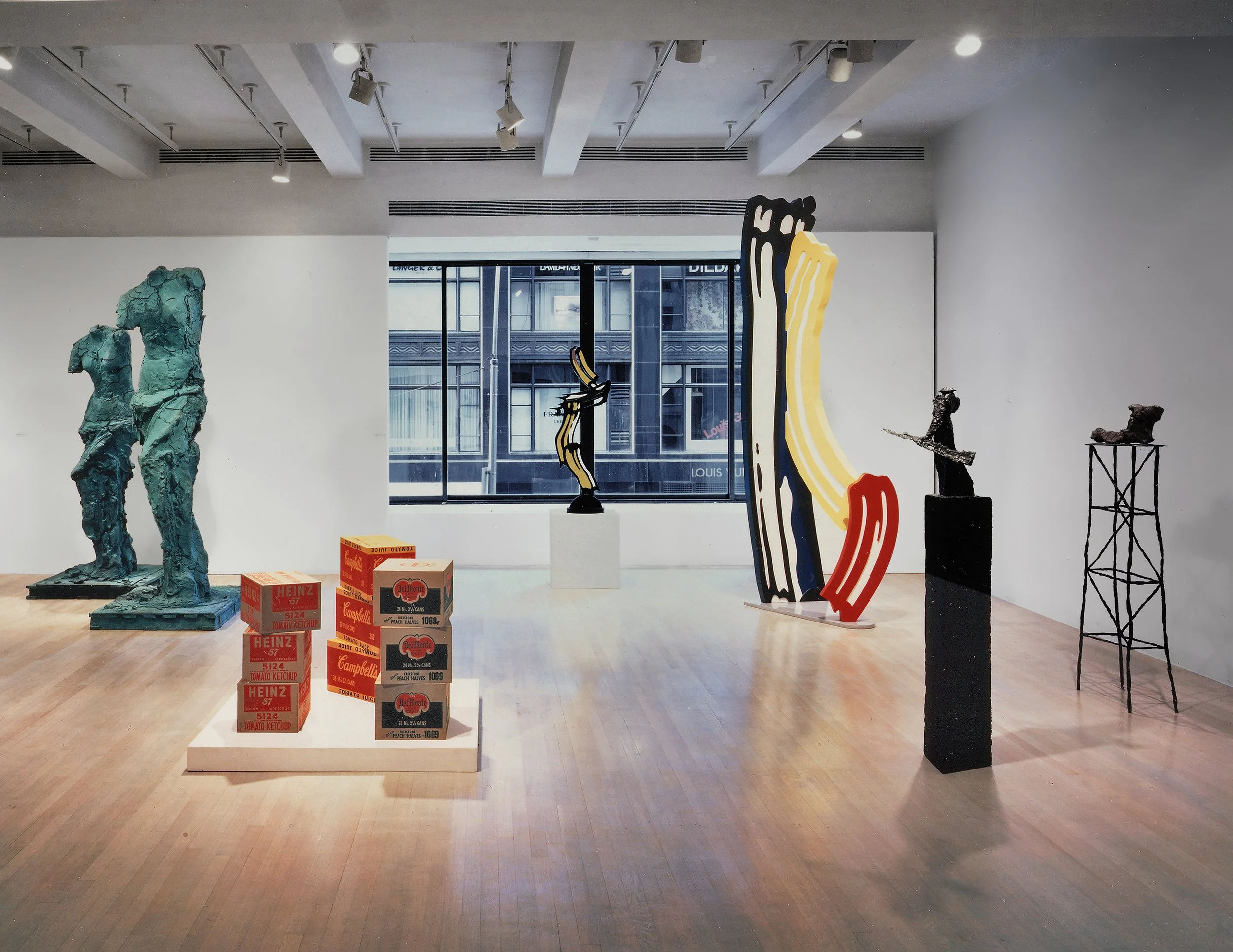
One of the firm’s earliest architectural commissions was Pace Gallery on 57th Street in Manhattan. The project included the design and renovation of gallery spaces tailored to the presentation of contemporary art, with careful attention given to proportion, materiality and lighting. Defined by meticulous detailing and restraint, the gallery created an environment where art was not simply displayed but thoughtfully embedded within the architectural experience itself.
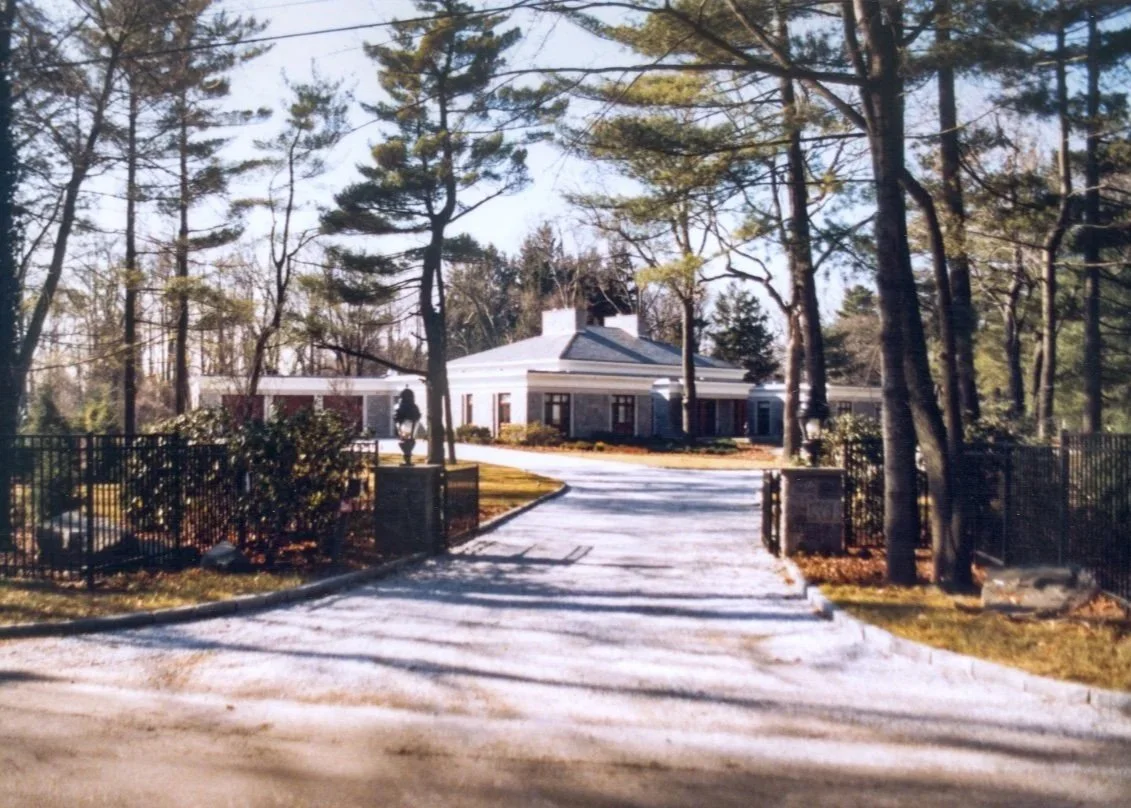
Another early example of ADP’s work is this Scarsdale residence, a design-build project where craftsmanship and detail guided every aspect of the design. The project encompassed both the architectural design and construction of the home, allowing for an exceptional level of coordination, craftsmanship, and attention to detail throughout the process. Through carefully considered interiors, custom detailing, and a refined use of materials, the residence demonstrated the firm’s commitment to precision at every scale.
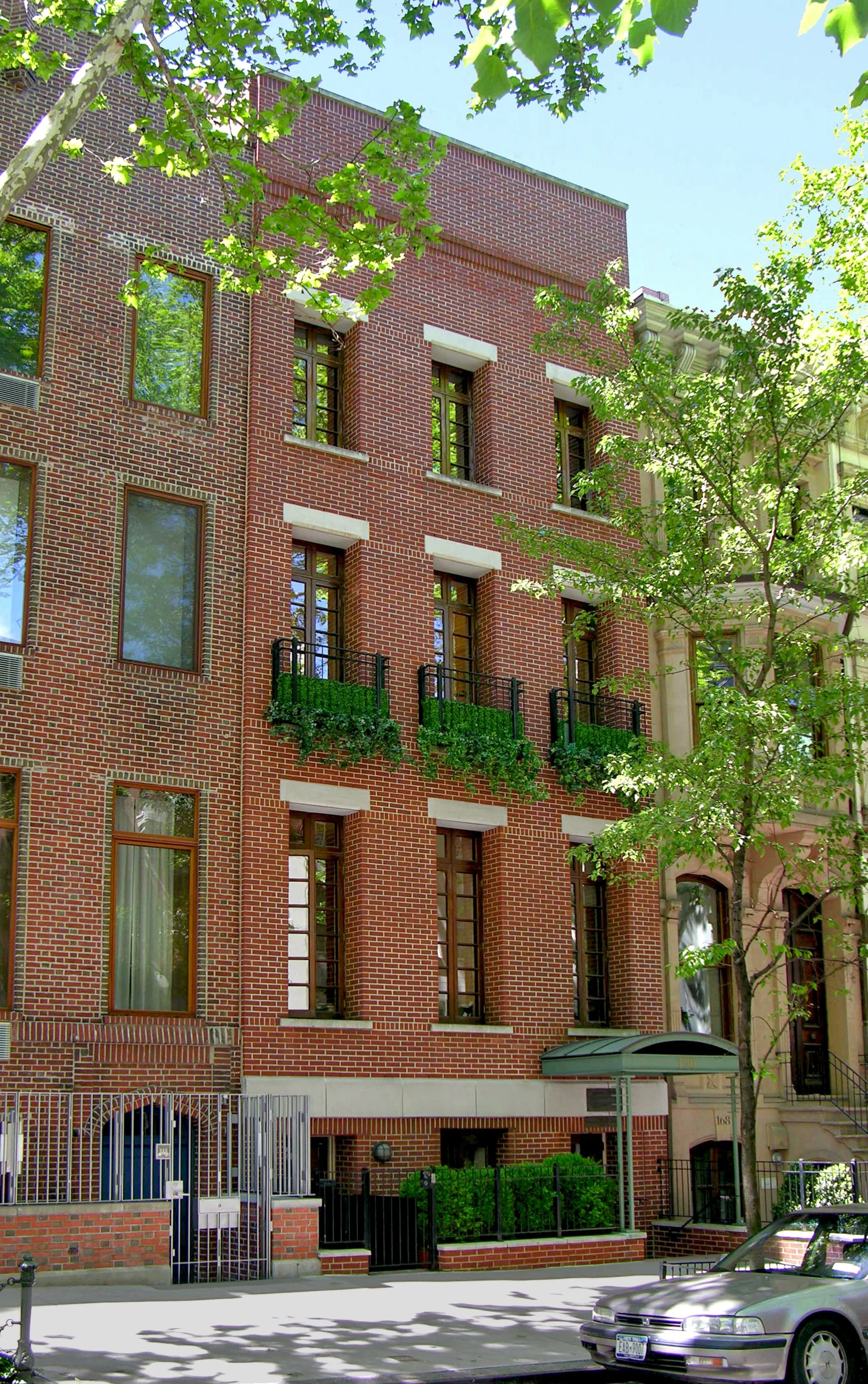
In the late 1980s, ADP was engaged as architect for the Carnegie Council in Manhattan, a project that marked an important step in the firm’s growing involvement in historic preservation. The work demonstrated an ability to modernize and adapt institutional spaces while honoring their architectural character and historic significance. Precision in detailing and a respect for existing craftsmanship became central to the project’s success.
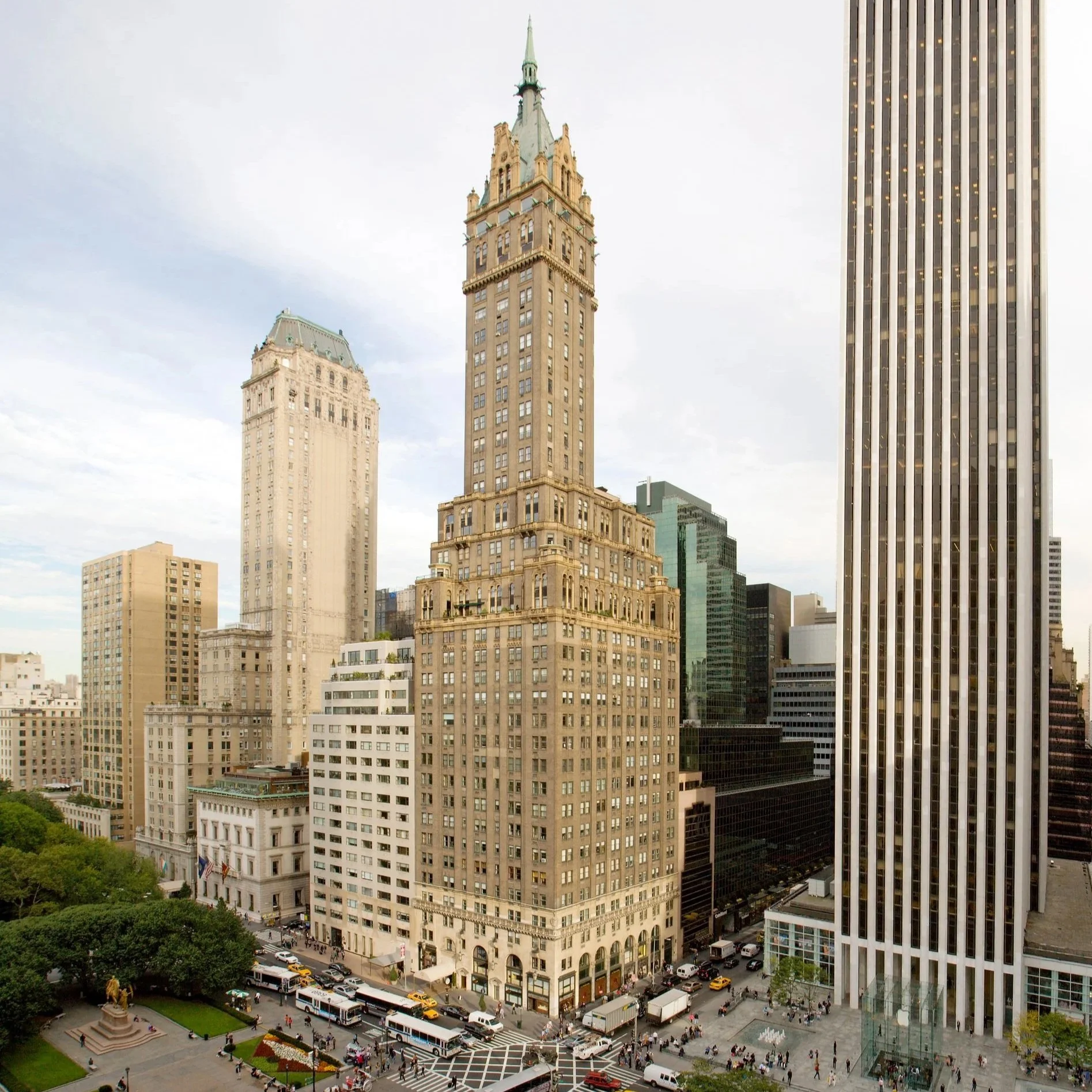
During this same period, Acheson Doyle Partners Architects also began a long-term relationship with the Sherry Netherland Hotel, one of New York City’s most iconic residential hotels overlooking Central Park. Designed by Schultze & Weaver and constructed in 1926–27, the Neo-Romanesque and Neo-Gothic landmark became an important part of the firm’s growing preservation portfolio. For several decades, ADP has served as the trusted building architect for the property, overseeing ongoing restoration, maintenance, and improvement projects while carefully preserving the building’s historic character and architectural integrity.
The collaborative design process and meticulous attention to detail evident in these early commissions helped establish enduring client relationships and laid the groundwork for the firm’s continued growth. Together, these projects reveal the origins of a practice rooted in craft and precision, principles that continue to shape ADP’s work today.